Oliver StarrThe Wolf Guy

Wild lives · Shared landscapes · Public understanding

Wolf
conservation.

Wolves are more than symbols. They are social animals, predators, competitors, parents, and participants in living systems. Conserving them means protecting those relationships while doing the difficult, practical work of sharing landscapes.

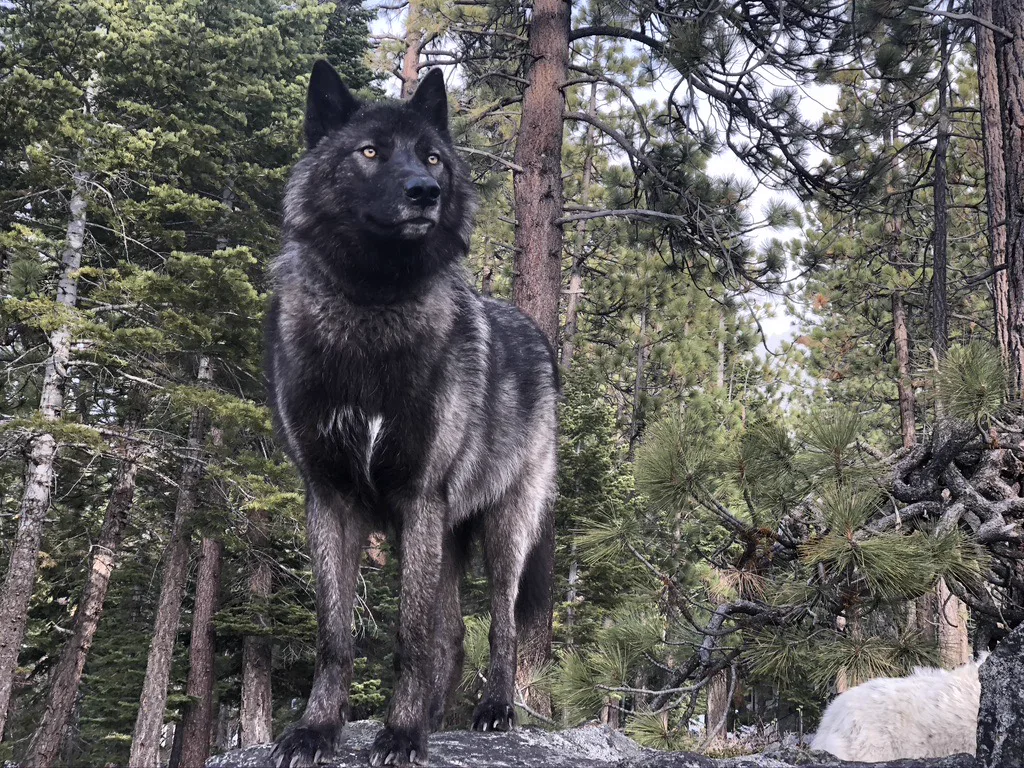
Dark-coated wolf standing on a rock in a pine forest
Conservation begins when the real animal matters more than the story projected onto it.

What does wolf conservation actually mean?

It means making room for viable wild populations—and for the ecological and human relationships that determine whether those populations can endure.

Habitat, connectivity, prey, genetic health, law, public policy, conflict prevention, research, and community tolerance all shape the future of wolves. The details differ by population and place. Conservation is therefore not one campaign or one number; it is long-term work across a connected system.1

Protect the animal.
Respect the whole.

No single commitment is enough by itself. Durable conservation has to hold ecological reality and human reality at the same time.

01

Wild populations

Wolves need habitat, prey, movement across landscapes, and enough connection among populations to persist over time.

02

Living systems

Wolves are part of food webs that include prey, other predators, scavengers, vegetation, climate, and people. Their effects are real—and context-dependent.

03

Coexistence

Conservation must take conflict seriously. Prevention, communication, adaptation, and credible management help make shared landscapes possible.

04

Understanding

Public decisions improve when people can distinguish wolves as they are from the fear, romance, and mythology surrounding them.

Wolves matter. Ecosystems are also too complex for a single-species fairy tale.

Wolves change relationships, not just numbers

As large carnivores, wolves can affect prey, competitors, scavengers, and the movement of energy through a food web. In Yellowstone, wolf kills feed animals from ravens and bears to invertebrates, while predator-prey relationships shift with weather, habitat, hunting, and the presence of other carnivores.23

The famous claim that wolves simply “fixed” Yellowstone compresses that complexity too far. The National Park Service describes evidence that wolves contributed to changes in elk and some woody plants, while also noting scientific debate about causation and the roles of water, climate, other predators, and human hunting. Wolves are important precisely because they are part of the system—not because they act alone.2

The useful frameConservation protects relationships in motion—not a frozen picture of nature.

Long-term observation changes the story

Predator-prey dynamics change across seasons and decades. That is why long-term monitoring matters: it lets researchers test simple explanations against a system that keeps moving. Good conservation remains willing to revise the story when the evidence changes.3
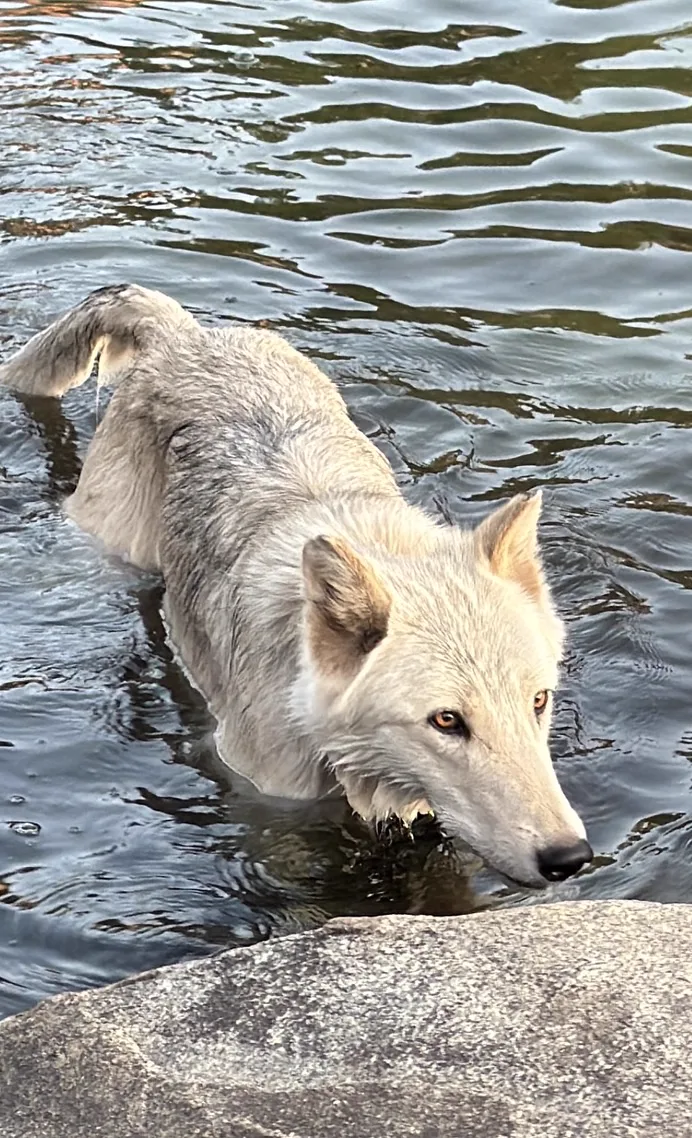
White wolf moving through clear water beside a granite edge

Coexistence is not a sentiment. It is a practice.

Wolves can impose real costs on people whose animals and livelihoods share the landscape. Durable conservation starts by treating those realities as part of the work.

Tools have to fit the place. In the Mexican wolf recovery area, the U.S. Fish & Wildlife Service describes approaches including range riders, fladry, attractant removal, grazing changes, telemetry, hazing, compensation, and direct communication with livestock producers. No tool eliminates every conflict, but prevention and rapid response can reduce risk while keeping recovery goals in view.4

Understanding is conservation infrastructure.

We cannot protect an animal honestly if we need it to be either a monster or a saint.

My work begins by helping people meet the wolf as it is: intelligent, social, adaptive, capable of conflict, and inseparable from the pressures of its environment. Education does not settle every value disagreement. It gives us a more truthful place to begin one.

That same discipline is behind my work on the alpha-wolf myth: look closely, question the inherited story, and allow the animal to be more complicated than our metaphor.

Tahoe Wolf Center

As Executive Director, Oliver helps advance the Tahoe Wolf Center’s independent mission of wolf conservation and public education. The Center’s own website is the source for current organizational information, programs, news, and ways to support its work.

Visit Tahoe Wolf Center
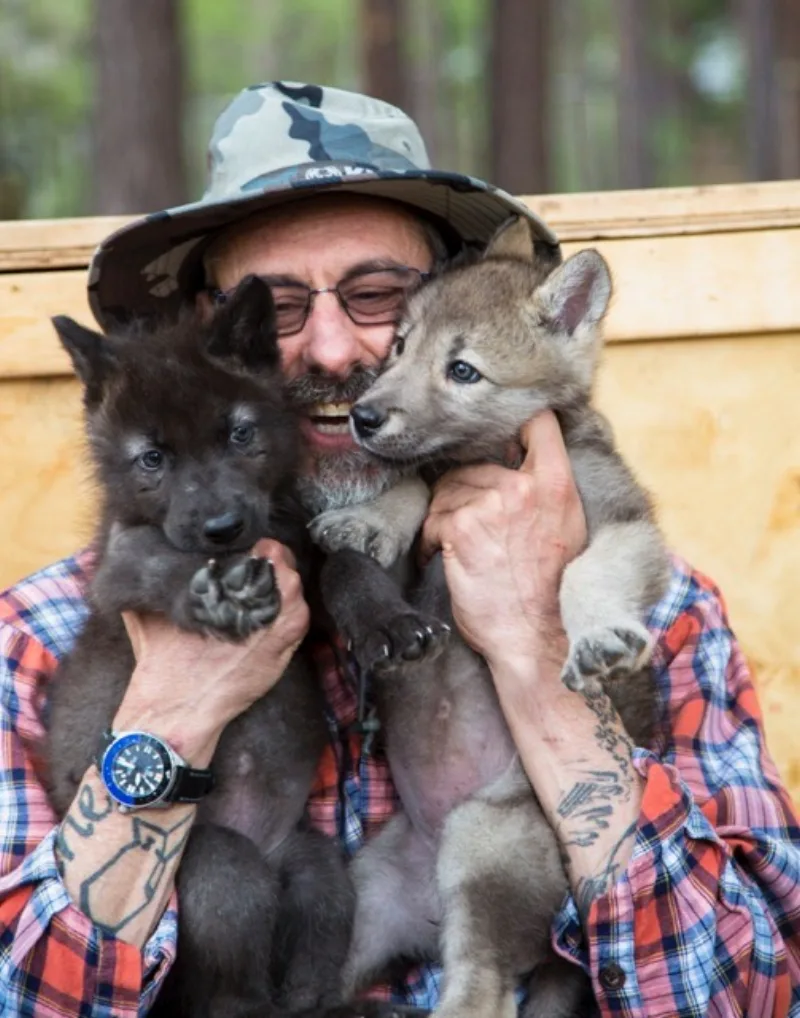
Oliver Starr smiling while holding two wolf pups
Oliver Starr · Executive Director, Tahoe Wolf Center

Start with better habits.

  1. 01

    Learn before repeating

    Trace dramatic claims to credible field research or the agencies monitoring the population in question.

  2. 02

    Name the place

    Legal status, prey, habitat, conflict, and recovery needs vary. “Wolves” are not one management situation.

  3. 03

    Respect real costs

    Listen to the people sharing landscapes with carnivores and support practical prevention alongside protection.

  4. 04

    Keep wildlife wild

    Observe responsibly. Do not approach, feed, or encourage habituation to people.

  5. 05

    Support credible work

    Choose organizations that make their mission and current activities clear, and use their official channels to help.

Follow the evidence

  1. 01
    U.S. Fish & Wildlife Service, “Gray Wolf (Canis lupus).”View the species profile
  2. 02
    National Park Service, “Cycles and Processes,” Yellowstone National Park.Read the ecosystem overview
  3. 03
    National Park Service, “Wolf Ecology,” Yellowstone National Park.Read the wolf ecology overview
  4. 04
    U.S. Fish & Wildlife Service, “Managing Mexican Wolf-Livestock Conflict.”Review coexistence tools

Meet the wolf
beyond the myth.

Explore Oliver’s conservation work, support the Tahoe Wolf Center, or invite him to bring a more honest story about wolves to your audience.